


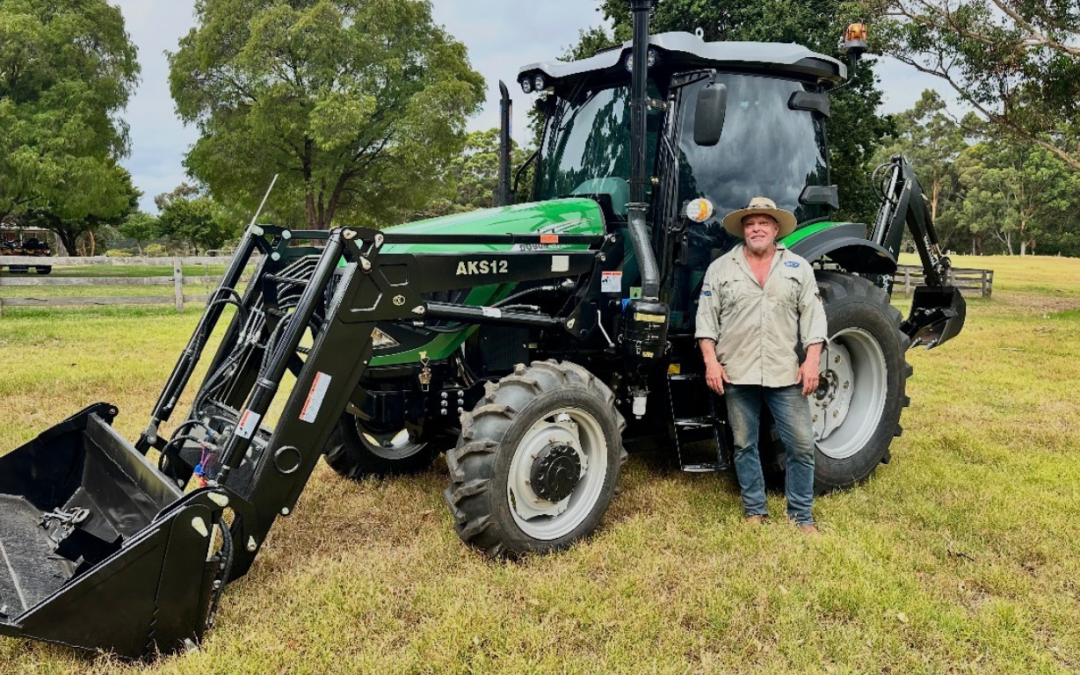
In this tractor buying guide, our specialists at AgKing break down tractor sizes, horsepower, and common farm jobs to help you pick the perfect fit for your property. Whether you’ve got a small hobby block or a growing mixed farm here in Western Australia, we’ll make the decision simple and steer you toward a tractor that gets the work done. And if you need a hand along the way, our AgKing team in Wangara is always available to answer questions and provide additional guidance about tractors for sale.
Speak to us about tractor sizes and get the best advice for your farming needs.
Contact AgKing – call 8 6205 9302
Tractor Size Chart
Here, we look at farm sizes, the type of work required and the best tractor suited for the job. We’ve also recommended some of the terrific AgKing tractor package deals, which are a terrific way to get more bang for your buck.
| Farm Property Size | Typical Farm Work | Tractor Horsepower | Types of Tractors |
5 – 20 acres Compact Tractors Small and hobby farms |
| 40 HP | AgKing AK404 |
| 40 HP | Enfly DQ404 | |
10 – 40 acres Utility Tractors Medium-size blocks |
| 55 HP | Enfly DQ554 |
20 – 60 acres Full-size Tractors Small to medium commercial farms |
| 60 HP | AgKing AK604 |
30 – 80 acres Large paddock blocks |
| 70 HP | AgKing AK704C |
50 – 100 acres Commercial farms |
| 90 HP | AgKing AK904C |
Cheat Sheet – Questions to Help Determine the Best Tractor Size for Your WA Farm
Another way to determine ideal tractor sizes is to ask yourself some key questions. Having the answer will help crystallise the best size machinery for you, and keep your purchasing on track. Some of the best questions that get straight to the solution include:
What is the size of my land?
How often will I use my tractor?
What jobs will I do regularly on my farm, and what jobs will just be every now and again?
What tractor implements do I need now? What attachments will I need further down the track?
What is the terrain and soil type on my land?
Are there particular tractor features I know I want or need, such as 4WD, air-conditioning, cabin, special hydraulics, backhoe etc?
What is my budget for purchasing the tractor?
What is my budget for tractor running costs and maintenance?
What do I expect my tractor’s resale value to be?
If you’re unsure about some of the answers, get in touch with the AgKing team. We’re here to help!
How to Plan for Growth – Choosing a Tractor That Grows With Your Farm
Purchasing a tractor is an investment in your farm and future. So, like any good investment plan, you need to be thinking ahead to the future, not just contemplating your present-day needs. A quality tractor should grow with your farm and be equipped to handle physical farm expansion, higher livestock numbers, increased tasks and heavier work demands. The last thing you want is to outgrow your machine too quickly.
Common Mistakes Made With Farm Tractor Sizes
It’s important to get this decision right and avoid some of the more common pitfalls when choosing the best tractor size. These include:
- Buying a tractor that is too small – underpowered tractors struggle with the demands placed on them, leading to fast wear and tear and eventually machinery breakdowns
- Buying a tractor that is too large – you’ll end up spending far more money than you need to on unnecessary fuel. You’ll also likely have difficulty maneuvering the machine in smaller confines.
- Disregarding tractor implement compatibility – not matching your PTO, hydraulics or hitch type can lead to something becoming redundant before it’s even being used.
- Ignoring terrain and soil conditions – whether your WA farm is flat or steep, has soft soil or heavy; these factors all affect the tractor’s stability and traction.
- Not considering your future needs – as we touched on, dismissing your farm’s future can be a costly mistake.
- Buying for down the track – inversely, you don’t want to overshoot the mark and buy a tractor based on what you think you’ll end up using it for, versus what you actually need it for right now.
Why You Can Depend on AgKing for the Best Tractor Size Advice
- We come from farming backgrounds and understand the industry
- We’re based in Wangara, Perth, and know the local farming conditions and community
- We stock high quality but affordable machinery, implements and parts
- We support our customers with expert tractor and parts maintenance, servicing and repair
- Financing is available
Final Recommendations When Determining What Size Tractor You Need
To wrap up our advice, here’s a brief summary to help you figure out what size tractor is best for your farming needs:
Start by answering some practical questions that will give you an honest assessment of your farm’s needs, as opposed to what ‘sounds good’
Consider the long-term, but not to the point where it overshadow’s present-day needs
Think about your tractor’s power, versatility, implements – don’t just assume that bigger is better
Rely on a trusted tractor supplier like AgKing, who understands local farming conditions and will sell you what you genuinely need, not what they want
Tractor Size Comparison FAQs
How do I choose the right tractor horsepower for my property size?
What size tractor is best for 30 acres?
Aim for a 40 to 55 horsepower tractor that can manage light farming work, including mowing, cultivation, small block chores and basic maintenance. On 30 acres, you want a tractor that’s big enough to be productive but still easy to manoeuvre around sheds, yards, and tighter paddocks; this is precisely where AgKing’s mid-range models shine.
What size tractor is best for 50 acres?
You want to be looking at tractors within the 70 to 90 horsepower tractor range. These more powerful machines will handle a greater mix and frequency of farming work. This size gives you the power, weight, and hydraulic performance needed for wider slashers, heavier loader work, pasture renovation, and more frequent ground-engaging tasks. On 50 acre farms, productivity matters, so the extra horsepower helps you cover ground faster without overworking the machine.
What size tractor is best for 100 acres?
For a 100-acre property, you’ll generally be looking at a 70+ horsepower tractor to work efficiently and comfortably. This horsepower range gives you the weight, traction, and hydraulic capacity needed for larger implements, heavier loader work, pasture renovation, hay production, and more intensive day-to-day farming. The goal for bigger farms is productivity – you want to get more done in fewer passes without pushing the tractor beyond its limits. With the right setup, a reliable mid-to-large AgKing tractor can handle this workload while still offering excellent value for money compared to many big-brand alternatives.
What size tractor is best for clearing, grading, and loader work?
For jobs like clearing scrub, shifting soil, or running a front-end loader regularly, you’ll want something in the 40 to 60 HP tractor range. These tractors offer better weight, traction, and hydraulic performance, which is important for pushing, lifting, and grading. If you’re working on steeper ground or heavier clay soils common in WA, leaning towards the higher end of that range gives you more control and efficiency.
Is a compact tractor enough for slashing and general maintenance?
Yes, compact tractors (20 to 40 HP) are ideal for light to moderate slashing, mowing, and day-to-day property maintenance. They’re great for smaller paddocks, orchards, lifestyle blocks, and tight access areas. If you’re cutting long grass across larger hectares or tackling rougher country, stepping up to 40 HP+ will make the job faster and easier.
What implements affect the tractor size I need?
- Slashers: generally 20–60 HP, depending on width
- Rotary hoes: 30 HP+
- Post hole diggers: 20–40 HP
Front-end loaders: 30 HP+ for practical lifting
Always check implement specs (AgKing is here to help), but when in doubt, a slightly bigger tractor will give you better performance and longevity.
Should I choose a heavier tractor or just higher horsepower?
Do I need a 4WD tractor for a small farm?
What’s the most versatile tractor size for hobby farms?
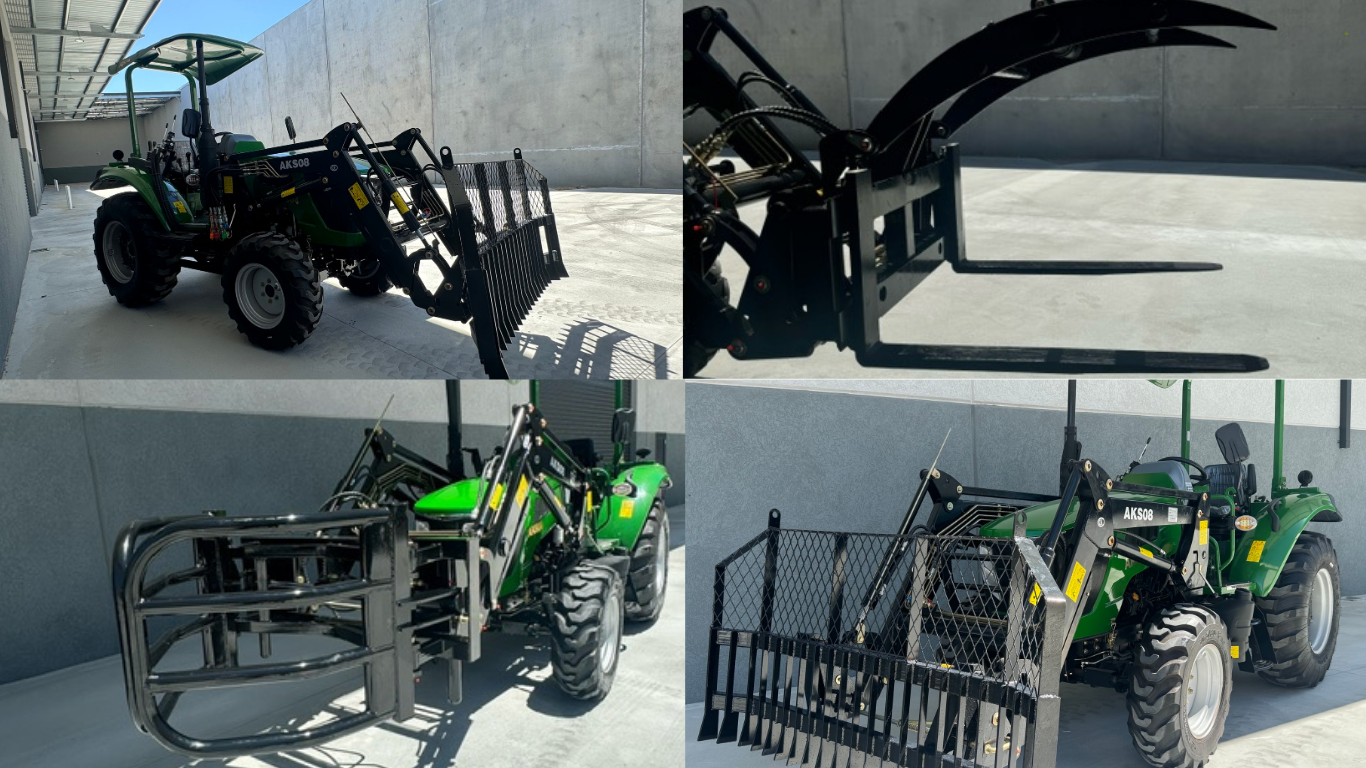
Must-Have Tractor Implements for Autumn Farming in WA
Top Tools Your Farm Needs to Get the Job Done There’s never a quiet season in farming and, here in...
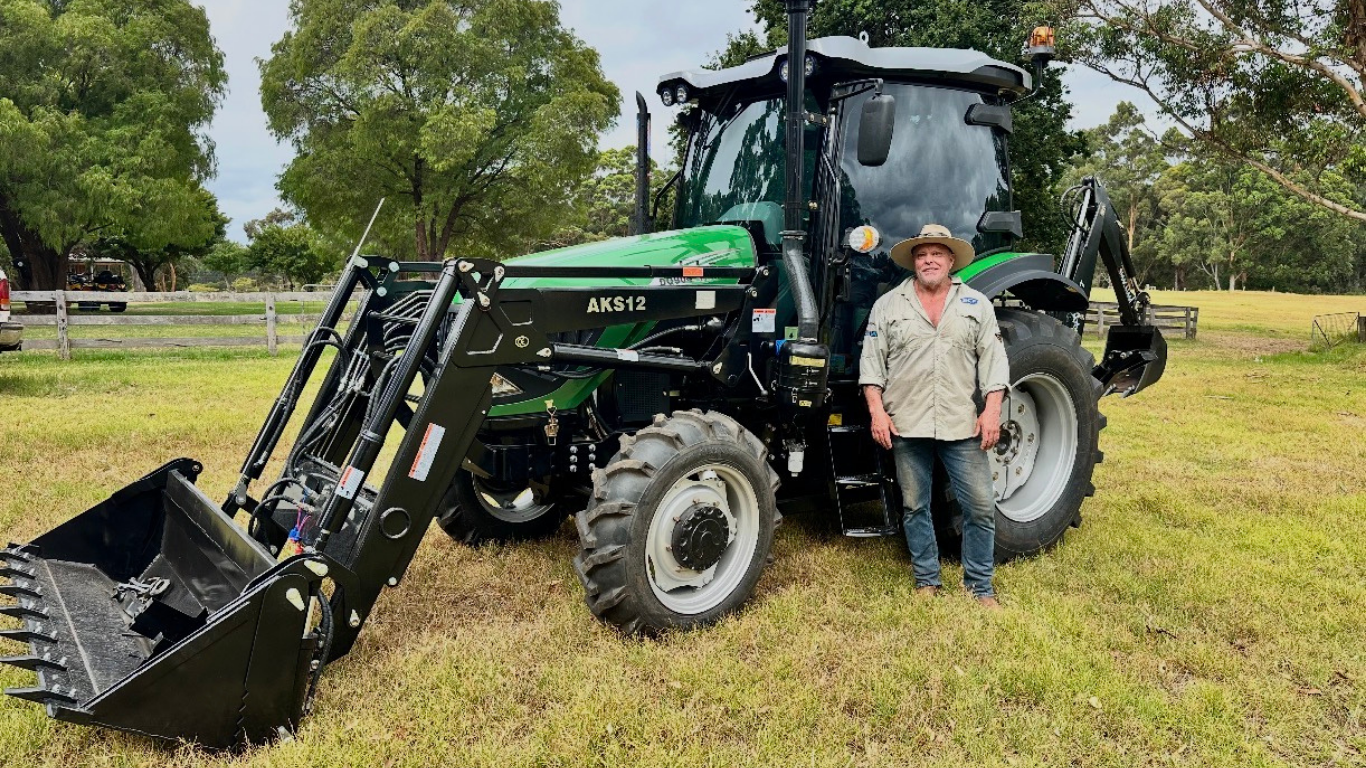
What Size Tractor Do I Need for My WA Farm?
Choosing the right tractor size for your farm is something you need to get right. However,...
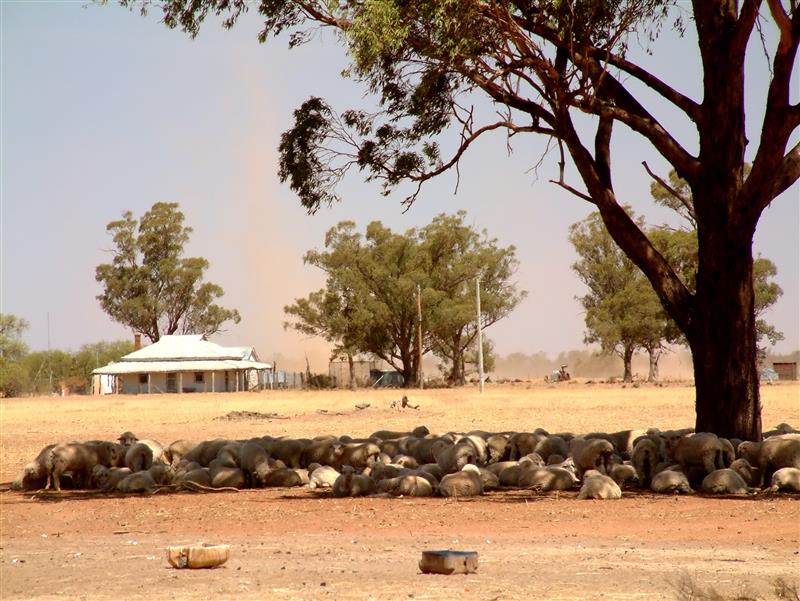
Expert Guide to Tractor Maintenance During WA’s Dry Season
In Western Australia, quality tractors are the backbone of daily farming operations. Each season,...