


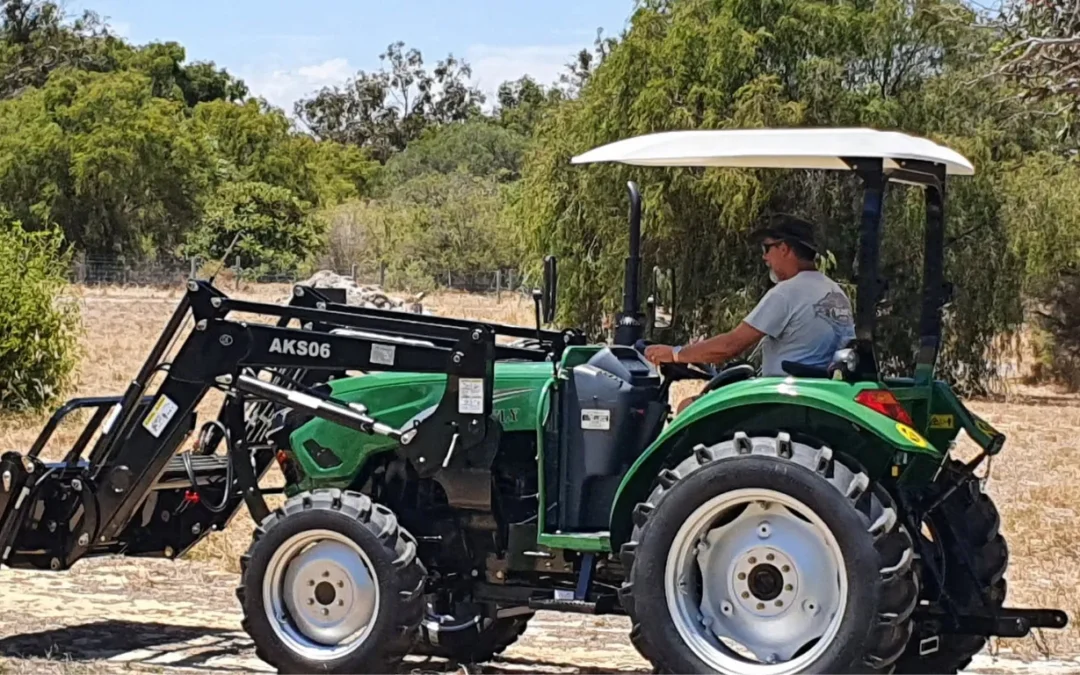
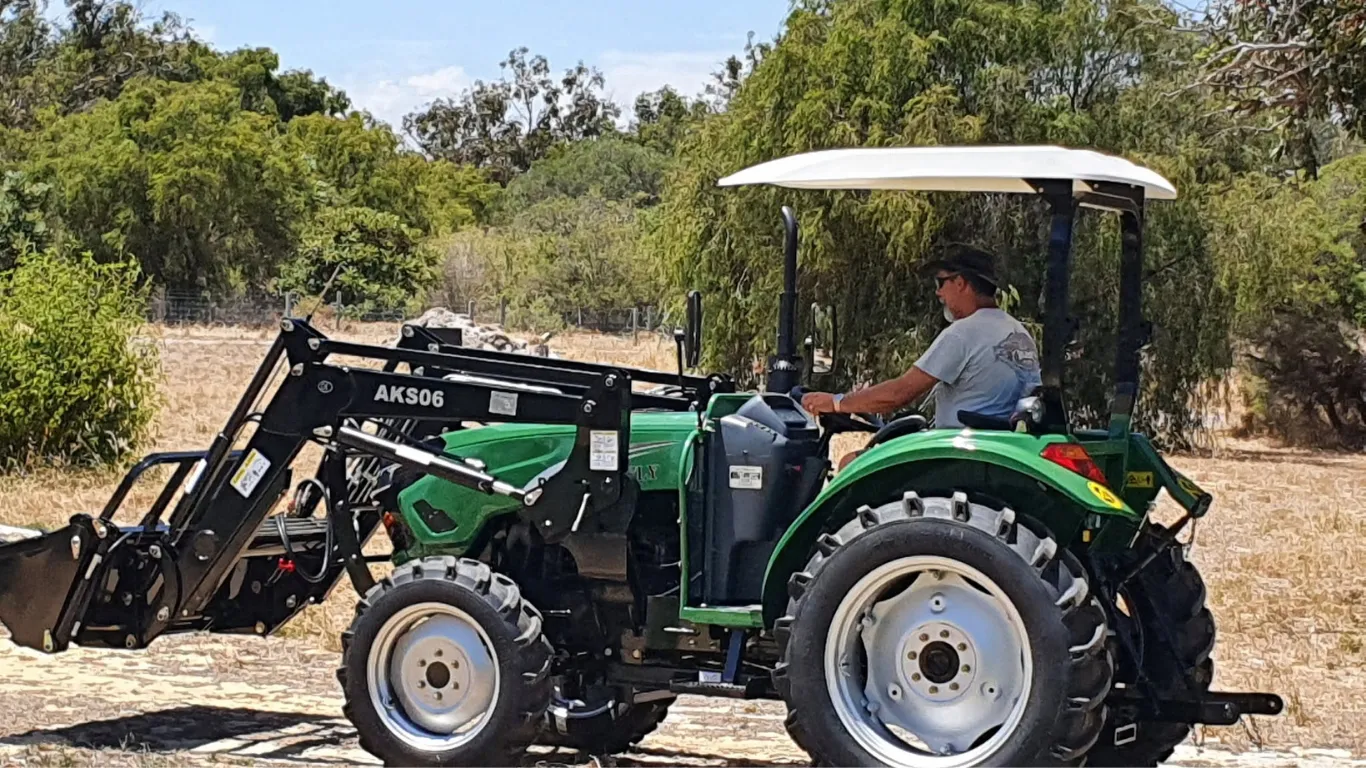
Farm tractor safety comes down to a few consistent habits: check your machine, wear your seatbelt, and never cut corners with guards or ROPS. Tractors remain the leading cause of death and serious injury on Australian farms, but most incidents are preventable with the right checks and a bit of routine care. Here’s what WA farmers need to know before heading out to the paddock.
Reliable Machinery Starts With Quality Equipment
A tractor that’s well-built and properly maintained is easier to operate safely. If you’re upgrading or in the market for a new machine, AgKing WA can help you find a tractor you can rely on to run well, season after season.
Get to Know Your Tractor’s Safety Features
Rollover protection is the single biggest factor in tractor survival. A cab or roll bar fitted with a rollover protective structure (ROPS), paired with a seatbelt, is what turns a rollover from fatal into walk-away. If you’re comparing tractors, check whether ROPS comes fitted as standard, as it does across AgKing’s tractor range. ROPS and, where relevant, falling object protection (FOPS) are there for exactly these situations.
PTO guards matter just as much. A power take-off (PTO) shaft spins fast enough to cause serious injury in an instant, so guards need to stay in place and get checked regularly for wear.
Before You Start: A Quick Tractor Safety Checklist
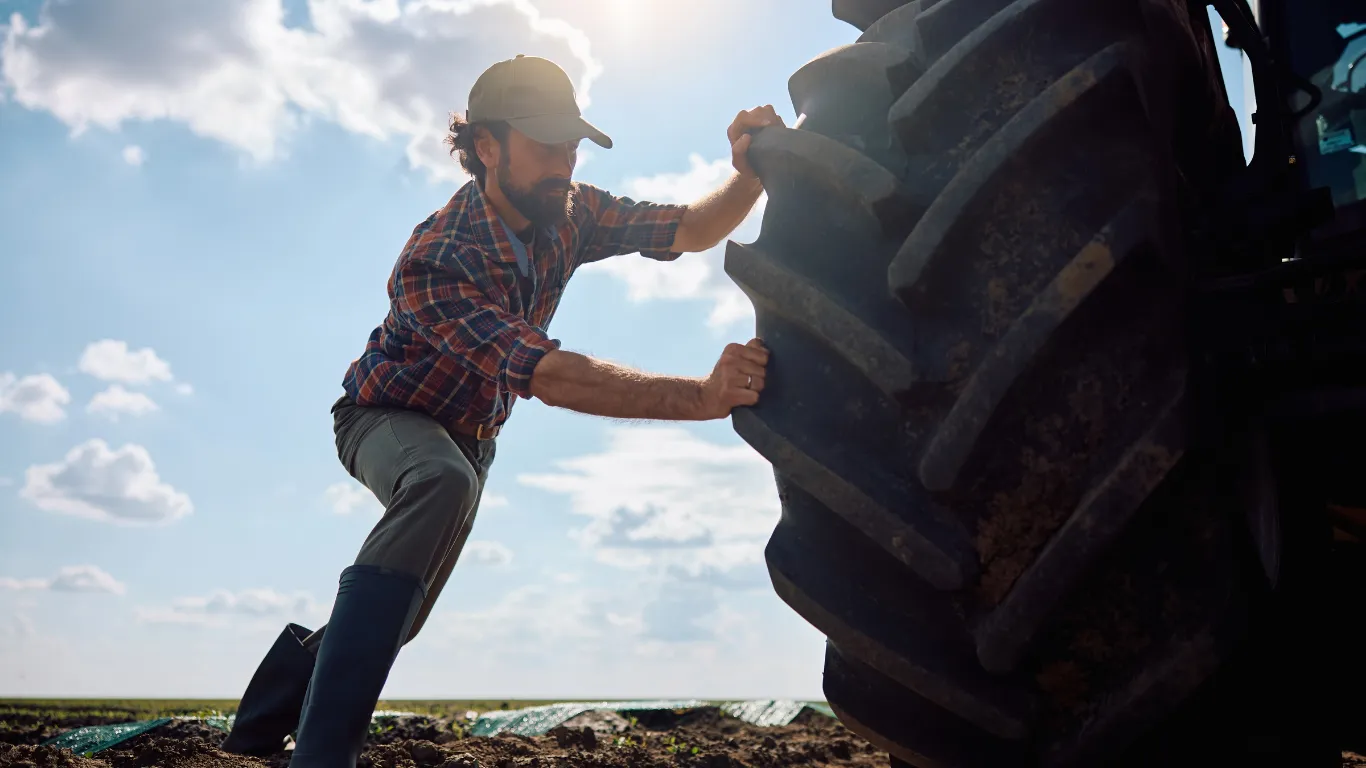
A few minutes of checks before you start the engine can prevent many problems later. Before driving a tractor for any job, run through this:
- Check tyre pressure and tread condition
- Test brakes, steering and hydraulics
- Confirm all guards, including the PTO guard, are fitted and undamaged
- Check fluid levels: fuel, oil and coolant
- Make sure mirrors and lights are clean and working
- Clear the area of children, pets and bystanders before moving off
Keep this tractor safety checklist somewhere handy in the shed, and make it a habit before every job, not just the big ones.
Common Tractor Hazards on WA Farms
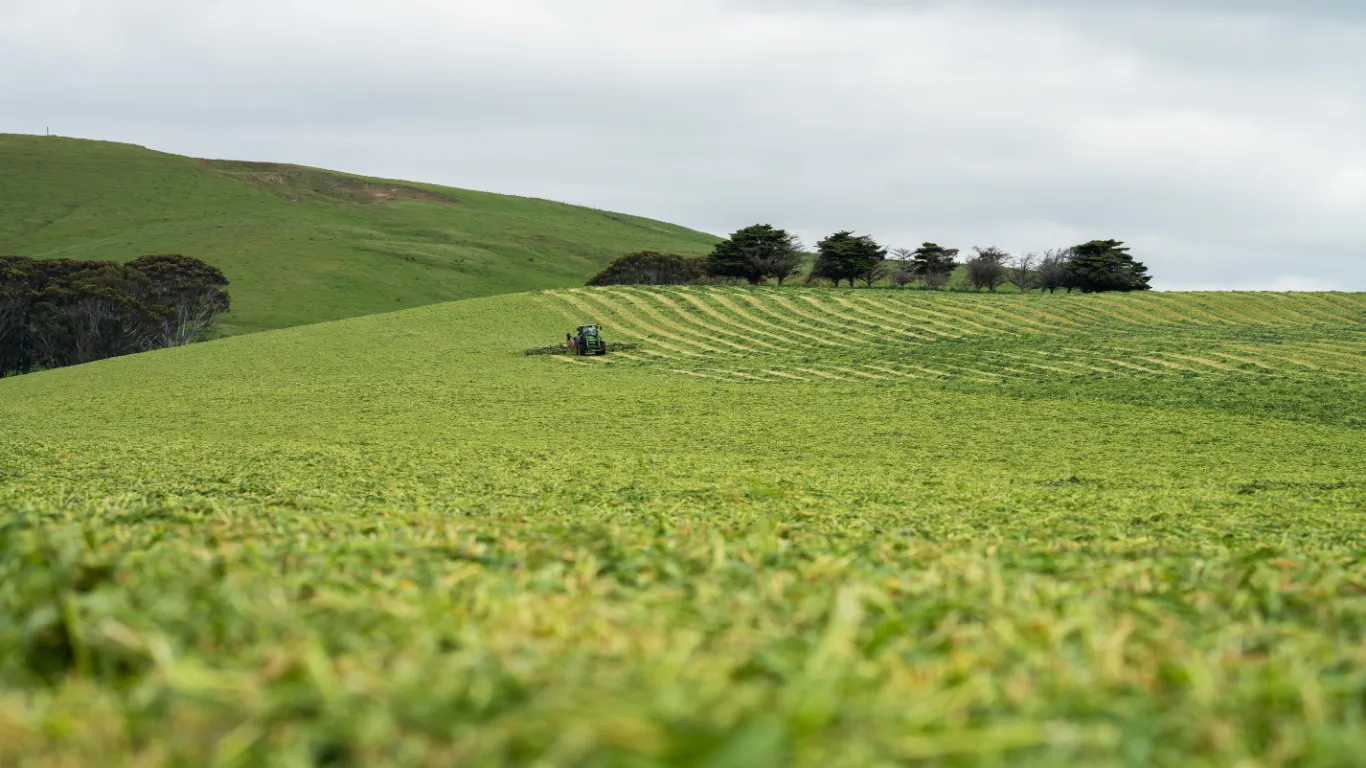
Most tractor incidents stem from a small set of recurring hazards: rollovers on uneven or sloping ground, runovers when boarding or leaving a moving tractor, and injuries from unguarded PTO shafts or hydraulics. Uneven ground is when a tractor is most likely to lose balance and roll, so drive at a speed where you can react before it happens.
According to the National Centre for Farmer Health, tractors remain the most common cause of death and serious injury on Australian farms. Avoid working close to dams, drains, power lines or steep slopes where you can, and building these checks into your farm safety routine is one of the simplest ways to prevent a serious incident.
Keep Your Tractor Well-Maintained
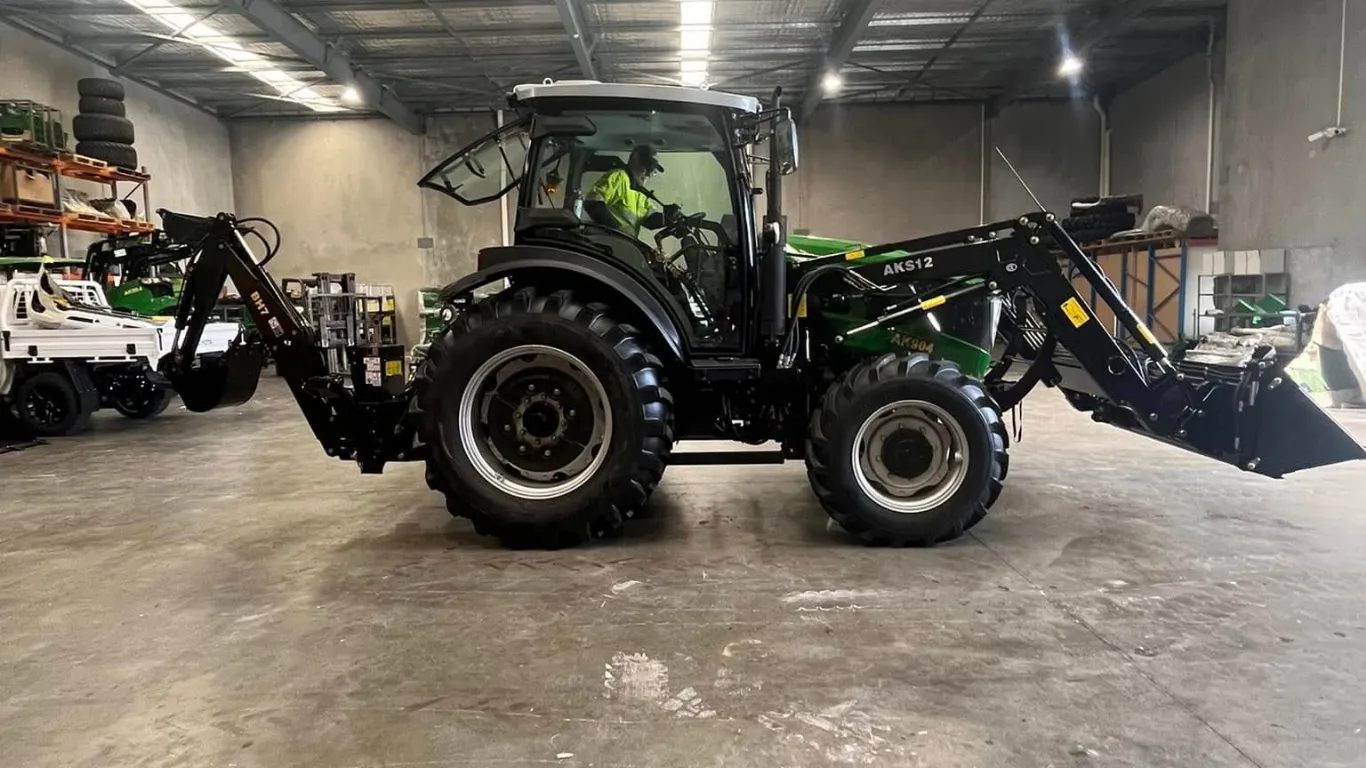
A tractor that’s regularly serviced is a safer tractor. Worn brakes, a loose steering linkage, or a damaged guard are all preventable failures that can be picked up during a routine service before they become a hazard out in the paddock. Stick to the manufacturer’s service intervals, and don’t let small issues wait until the next scheduled check.
AgKing WA’s service and warranty team can help keep your tractor running smoothly for years to come, with genuine parts and local support across WA.
Extra Precautions for Kids and Passengers
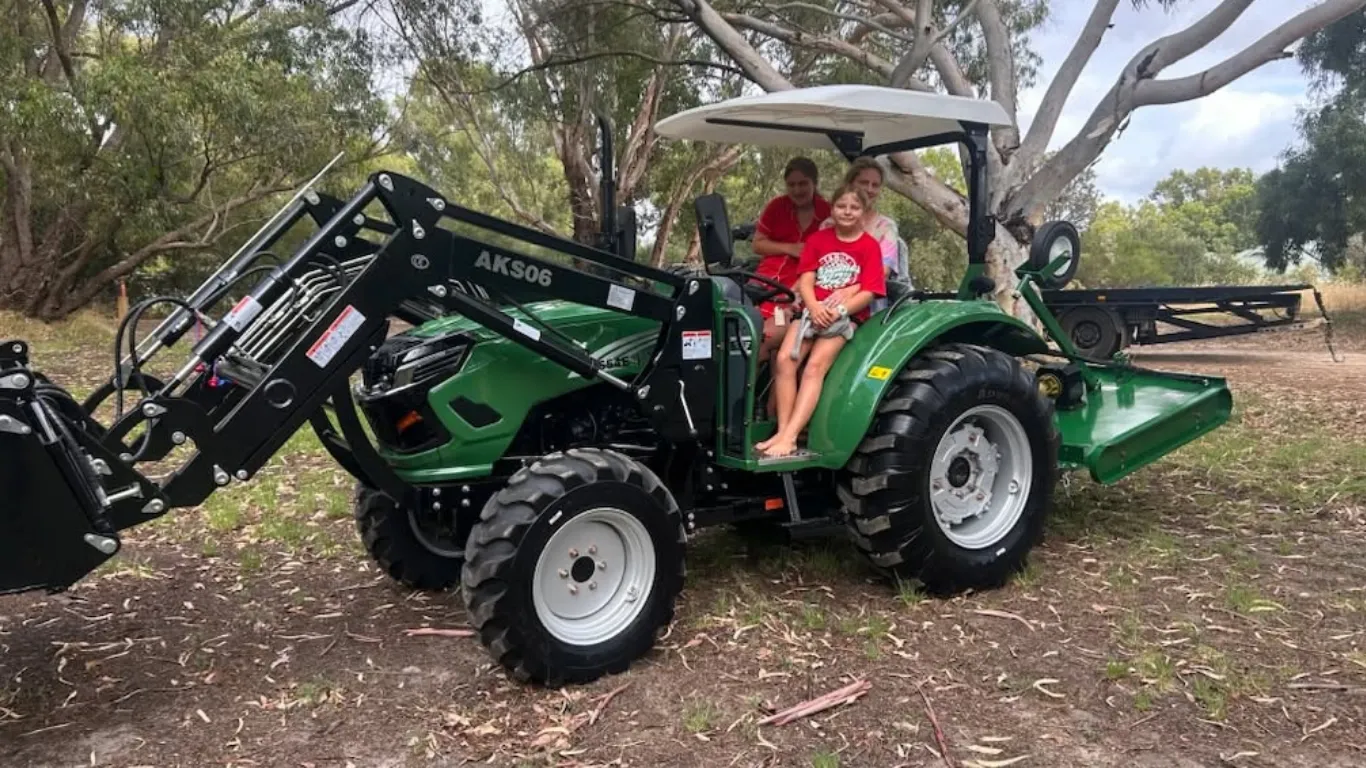
Tractors and trailers aren’t built for extra riders. A tractor without a proper instructor seat, ROPS and seatbelt shouldn’t carry a passenger at all, and children should be kept well clear of moving machinery at all times, even in the yard.
If younger or less experienced operators are using the tractor, make sure they’re properly inducted and supervised before they’re given the keys. A few minutes of training now is worth far more than a costly mistake later.
Encourage a Culture of Safety
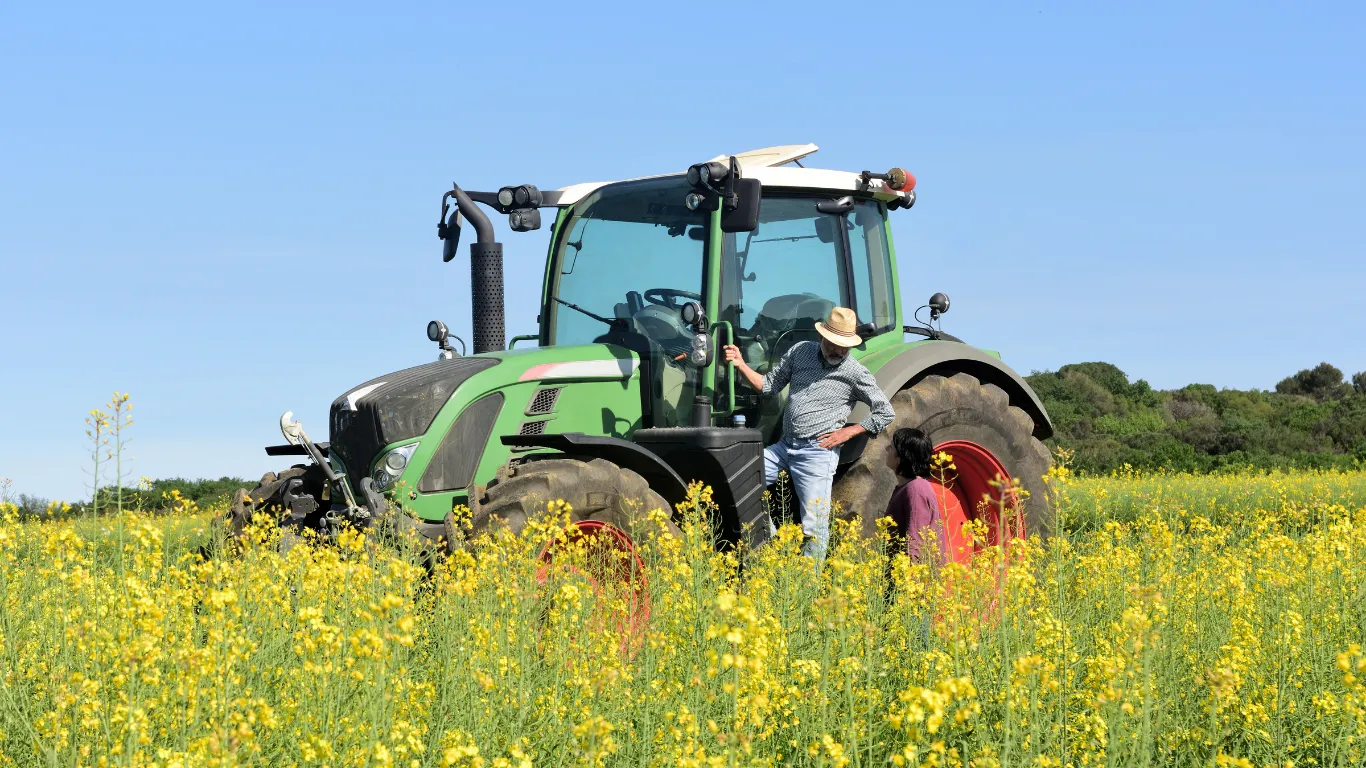
Talk it, think it, do it. Keeping tractor safety top-of-mind is easier and comes more naturally when the workplace culture encourages it. Have conversations with your workers, talk about what you’re all doing to keep each other safe, and watch out for one another.
Tractor Safety Tips FAQs
What is the biggest cause of tractor accidents on farms?
Rollovers and runovers account for most serious tractor incidents on Australian farms, which is why ROPS, seatbelts and safe boarding habits matter so much.
Do all tractors need rollover protection (ROPS)?
Yes. If a tractor doesn’t have ROPS fitted, it’s worth having one retrofitted rather than risking it. Most modern tractors, including AgKing’s range, come with ROPS as standard.
How often should I service my tractor for safety reasons?
Follow the manufacturer’s recommended service intervals as a minimum, and check guards, brakes and steering more often if the tractor sees heavy use. AgKing WA’s service team can help set a schedule that suits how you use your machine.
Can children ride on a tractor?
Only if the tractor has a proper instructor seat, ROPS and a seatbelt. Otherwise, keep children off the tractor and well clear of it while it’s moving.
What should be on a tractor safety checklist?
At minimum, check tyres, brakes, steering, hydraulics, fluid levels, guards and lights before every session, and make sure the area around the tractor is clear before you move off.
Tractor Safety Tips for WA Farmers
Farm tractor safety comes down to a few consistent habits: check your machine, wear your seatbelt,...
TYM vs Enfly Tractor: Which Is Right for Your WA Farm?
Two AgKing customers can walk in chasing the exact same job and drive away in two completely...

10 Hobby Farm Tractor Implements That Earn Their Keep in WA
Slashers, post hole diggers, carry-alls, pallet forks - on a WA small acreage, the right hobby...
TYM Tractor Buying Guide for WA Farmers
Buying a tractor is a big decision, and once you’ve decided you need one, the next step is...